Canary Wharf removals guide for towers and apartments E14
Posted on 19/06/2026
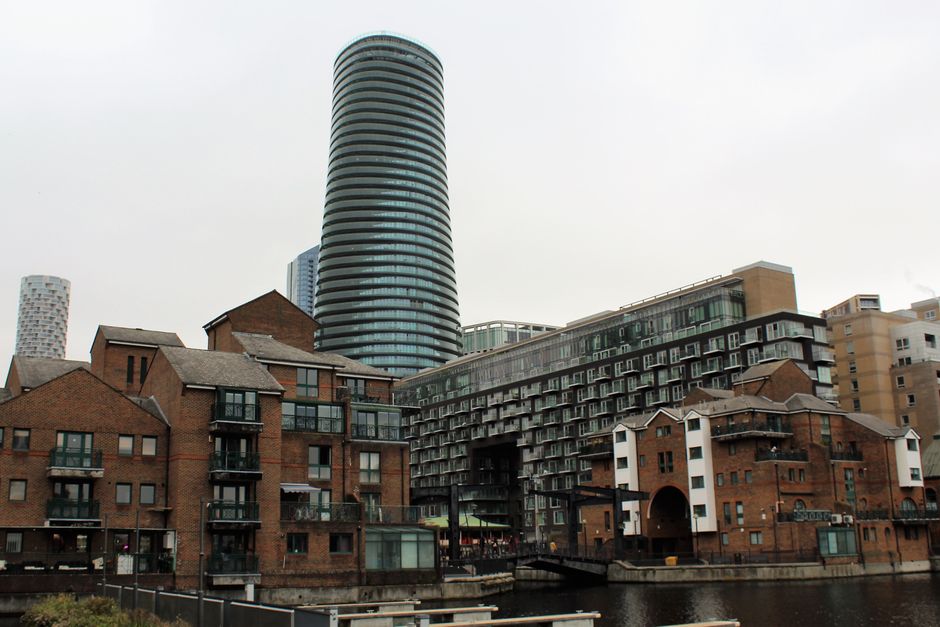
Moving in Canary Wharf is not like moving in a typical suburban street. Towers, concierge desks, lift bookings, loading bays, service entrances, parking restrictions, tight time slots, and the occasional surprise with building rules can turn a simple move into a logistical puzzle. This Canary Wharf removals guide for towers and apartments E14 is designed to make that puzzle feel a lot more manageable. Whether you are leaving a high-rise apartment, arriving in a new build, or relocating between E14 addresses, the key is planning the move around the building rather than against it.
Truth be told, most of the stress comes from the details people only remember at the last minute: "Can the van stop there?" "Do I need to book the lift?" "What if the sofa does not fit?" The good news is that tower and apartment removals can be smooth when you know what to check, what to pack, and how to brief your movers. Below, you will find a practical, local guide with realistic advice, simple comparisons, and a checklist you can actually use.
Why Canary Wharf removals guide for towers and apartments E14 Matters
Canary Wharf has a very specific moving environment. It is dense, vertical, and time-sensitive. In a tower block, the lift can matter more than the van size. In an apartment building, the concierge may need notice. In a luxury development, floor protection and moving windows may be non-negotiable. A mover who understands those realities can save you time, money, and a fair bit of frustration.
The area also attracts a mix of residents: professionals in furnished flats, families in larger apartments, students and sharers, and people moving for work who need a quick handover. That means the removals process is often tied to lease dates, access restrictions, and very limited flexibility. If you leave even one part of the plan vague, it can snowball fast. A late lift booking, for example, can force the move into a tiny time slot, which then affects van timing, parking, and your unpacking rhythm.
There is also a practical side to the location itself. Tower roads, underground car parks, private estates, and one-way routes can make simple "load and go" logic a bit unrealistic. So this guide matters because it helps you plan around the real world, not the ideal version of it. And that is usually where successful moves start.
If you want a broader look at how the area feels day to day, the local context in living in Docklands with local advice gives a useful sense of the neighbourhood rhythm.
How Canary Wharf removals guide for towers and apartments E14 Works
A tower or apartment move in E14 usually follows a more structured pattern than a standard house move. The process is still straightforward, but it tends to involve more admin before the first box is carried downstairs. That is not a bad thing; it just means your preparation needs to begin earlier.
In practical terms, the move usually works like this:
- Survey the property access. Check lifts, corridors, stairwells, loading points, and any building restrictions.
- Confirm the move date and time. Many developments prefer scheduled moving windows, and some are strict about them.
- Book the right transport. Depending on the amount of furniture and the access conditions, you may need a removal van, a man and van option, or a larger team.
- Pack by room and priority. Essentials should be easy to reach; fragile items need proper protection.
- Protect communal areas. Good movers usually work carefully to avoid damage to lifts, floors, and walls.
- Coordinate handover and unloading. The timing at both ends matters, especially if there is limited parking or a building representative present.
For many people, the real challenge is not the lifting. It is the sequencing. If the van arrives before the lift is booked, or the concierge has not been told, the whole move can stall. That is why apartment removals are often more about coordination than brute force. A calm, step-by-step approach makes all the difference.
If you are comparing service styles, the overview on removal services in Docklands is a sensible place to understand what type of help suits your move.
Key Benefits and Practical Advantages
When a removals plan is tailored to Canary Wharf towers and apartments, the benefits are not just about convenience. They show up in time saved, fewer delays, and less risk of damaging something you now have to explain to a concierge. Nobody enjoys that conversation, to be fair.
- Less stress on moving day: A clear plan reduces the chance of last-minute scrambling.
- Better building compliance: You are less likely to clash with estate rules or access windows.
- Safer handling of furniture: Large or awkward items can be moved with the right equipment and route planning.
- Reduced damage risk: Protection for doors, walls, and lifts helps avoid disputes later.
- More predictable timings: Good preparation makes the schedule easier to hold.
- Less disruption to neighbours: That matters in tightly shared buildings where sound travels fast.
There is also a financial advantage. A move that is organised well usually avoids wasted time, repeat trips, and unnecessary emergency charges. If your items are sorted in advance and your access is clear, the move becomes far more efficient. It sounds obvious, but in the middle of a hectic week, obvious things are exactly what get missed.
For people who need a smaller, more flexible option, man with a van services in Docklands can be a practical fit when you do not need a full-scale crew.
Who This Is For and When It Makes Sense
This guide is especially useful if you live, work, or are about to move into a tower or apartment in Canary Wharf or the wider E14 area. It is not just for big household moves either. Smaller relocations can still be tricky when lifts, parking, and access times are involved.
It makes sense for:
- Tenants moving in or out of high-rise flats
- Homeowners upgrading within a residential tower
- Young professionals relocating for work
- Families moving into larger apartments
- Students or sharers with compact but awkward belongings
- People needing short-notice support because dates changed suddenly
- Anyone moving furniture into a managed building with access rules
You may also find it useful if you are planning a move that includes bulky items, such as wardrobes, sectional sofas, or a piano. These are the bits that look harmless at first glance and then, once you reach the lift, suddenly seem to have become twice their size. Funny how that happens.
If you are moving bulky household pieces, a specialist approach like furniture removals in Docklands can help when standard box-only planning is not enough. For those with a larger home move in the same area, house removals in Docklands can also be relevant if your move extends beyond an apartment setup.
Step-by-Step Guidance
Here is the practical version. If you follow these steps in order, you will remove most of the usual headaches before they begin.
1. Check the building rules first
Before you even start boxing up the kitchen, ask about lift access, moving hours, booking procedures, and whether protective covers are required. Some buildings want advance notice, others want proof of insurance, and some need your removal team to sign in on arrival. Do not assume the rules are the same as your last building.
2. Measure your largest items
Measure tall wardrobes, sofa widths, beds, mirrors, and anything that cannot be easily turned on its side. Also measure doorways, hallway bends, and lift dimensions. A few centimetres can decide whether an item moves in one piece or needs partial dismantling. Annoying, yes. Important, absolutely.
3. Decide what needs dismantling
Flat-pack furniture is usually easy enough. More substantial pieces may need bed frames, shelving, or tables taken apart. Keep screws and fittings in labelled bags. A tiny zip bag taped to the right item saves a lot of confusion later. I have seen people spend twenty minutes looking for one allen key. Not ideal.
4. Pack by priority, not by emotion
We all have that drawer filled with odd cables, batteries, old chargers, and a mystery key that nobody remembers. Resist the urge to pack everything randomly. Put essentials together: kettle, toiletries, chargers, documents, bedding, and basic cleaning supplies. That first evening in the new flat will feel much better if you can find a mug without tearing through eight boxes.
5. Reserve access and parking windows
In Canary Wharf, access timing can matter as much as the move itself. If you need a loading area or visitor parking, make sure the timing works for both arrival and departure. If the building has a concierge or estate management team, give them the move details early.
6. Protect the route
Good removals in apartments usually include floor runners, blankets, corner protection, and care around lift panels and door frames. If you are doing some of the moving yourself, bring enough covers to protect the route. Scratches and scuffs are the kind of problem you do not notice until later. Then you notice them all at once.
7. Load in the right order
Place the heaviest and most stable items first, then build around them with boxed items and soft furnishings. Fragile items should be secured, not just "placed carefully" and hoped for. Hope is not a packing method.
8. Unload with a room plan
At the new apartment, try to direct boxes and furniture straight into the correct rooms. It saves the exhausting second stage of moving the same box three times. A simple room label system is often enough.
Expert Tips for Better Results
Over time, the best apartment moves tend to look calm rather than dramatic. That calm comes from a few habits that are easy to overlook.
- Book the move earlier than feels necessary. Tower blocks often have limited scheduling windows, and those fill quickly.
- Keep one "open first" bag. Put in the things you need for the first night and keep it with you.
- Label boxes on two sides. When they are stacked in a van or hallway, the top label is often the one you cannot see.
- Use soft packing for awkward spaces. Towels, blankets, and clothing can protect lighter fragile items in a pinch.
- Ask about lift padding and building access rules. It is better to sound thorough than to discover a restriction at the door.
- Keep your phone charged. A simple one, but when access instructions are changing on the fly, it matters.
A small human tip: if you are moving on a damp grey morning, which in London is not exactly rare, keep a dry cloth or two handy for shoes and box handles. It is the sort of tiny thing that makes the day feel less messy.
If your timeline is tight, same-day removals in Docklands may be worth considering, especially when a move date has shifted and you need a quick turnaround. For smaller load sizes, a flexible removal van in Docklands can be a practical middle ground.

Common Mistakes to Avoid
Most moving problems in Canary Wharf towers are preventable. The trouble is, people are often juggling work, lease dates, and packing all at once. So mistakes happen. These are the usual ones.
- Forgetting to book the lift. In many buildings, this is the difference between an organised move and a delayed one.
- Underestimating parking and loading restrictions. The van may not be able to stop exactly where you hoped.
- Packing everything too late. A rushed pack almost always leads to broken crockery or missing essentials.
- Not measuring large furniture. The sofa that fit in the old flat may not fit the new route.
- Ignoring building instructions. Managed developments usually have rules for a reason.
- Leaving valuables mixed into general boxes. Keep documents, devices, and keys separate.
- Assuming the move will run over time without issue. Some buildings are stricter than that, and they will not always bend.
One mistake worth calling out twice is the last-minute pack. It looks efficient the night before. It is not. It tends to create stress, damaged items, and a general feeling that nobody is in charge. Avoid that if you can.
Tools, Resources and Recommendations
You do not need a warehouse full of equipment to move well. A few sensible tools go a long way, especially in apartments with narrow routes and shared spaces.
| Tool or item | Why it helps | Best use in a tower or apartment move |
|---|---|---|
| Strong boxes | Safer stacking and easier carrying | Books, kitchen items, clothing, and mixed household goods |
| Bubble wrap or paper | Protects fragile items | Glassware, ornaments, framed prints, lamps |
| Labels and marker pens | Makes sorting faster | Room labels, priority boxes, dismantled parts |
| Furniture blankets | Reduces scuffs and knocks | Sofas, tables, white goods, and lift protection |
| Trolley or sack truck | Helps move heavy boxes safely | Long corridors, parking areas, and lobby transfers |
| Tool kit | Useful for disassembly and reassembly | Beds, shelves, curtain rails, and table legs |
Beyond tools, the most useful "resource" is a realistic moving plan. That includes building contact details, access instructions, a box list, and a clear idea of what you will unpack first. If storage is needed between tenancies, storage in Docklands can be helpful when completion dates or handovers do not line up neatly.
For a deeper look at pricing structures and how quotes are usually put together, the page on pricing and quotes is a useful reference before you commit.
Law, Compliance, Standards, or Best Practice
Apartment and tower removals in London are shaped less by one single rule and more by a mix of building policies, common-sense safety practice, and normal UK moving standards. That means your move may be influenced by lease conditions, estate management instructions, health and safety expectations, and access rules set by the property itself.
In plain English, this usually means:
- You may need to give advance notice to the building
- Lift bookings may be mandatory
- Protective coverings may be required for floors and lifts
- Parking and loading instructions should be followed carefully
- Movers should handle heavy items safely and avoid obstructing communal areas
There is also a broader safety expectation around insurance, careful handling, and clear communication. It is sensible to work with a removals provider who can explain how they manage access, lifting, and damage prevention. If a company has a clear approach to safety and service, that usually shows in the small things first: proper wrapping, careful loading, tidy paperwork, and not acting surprised when the concierge asks questions.
When reviewing a provider, it can help to read about their approach to insurance and safety as well as their health and safety policy. Those pages are not glamour reading, obviously, but they do tell you a lot about how a move is likely to be handled.
Options, Methods, or Comparison Table
Different moves call for different levels of help. There is no single "best" option for everyone, which is why choosing the right method matters.
| Option | Best for | Pros | Watch-outs |
|---|---|---|---|
| Full removals service | Larger apartment moves, many items, or tight access | Most convenient, good for bulky furniture and careful handling | Usually more planning needed and may cost more |
| Man and van | Smaller flats, a few rooms, or short local moves | Flexible, often quicker to arrange | Less suitable for heavy or high-volume loads |
| Removal van only | Self-packers who mainly need transport | Useful when you have already sorted the boxes and furniture | You need to manage more of the lifting and coordination yourself |
| Storage plus move | Move dates do not align | Helps bridge timing gaps between properties | Needs extra planning and may add cost |
If you are not sure which method fits your situation, the page on removal services in Docklands can help you narrow things down without guessing. That is better than picking a service just because it sounds familiar.
For office-linked relocations, especially if you are moving between work and home arrangements in the same period, office removals in Docklands can be useful context too.

Case Study or Real-World Example
Imagine a couple moving from a one-bedroom apartment in a Canary Wharf tower to a larger flat nearby in E14. The property is modern, the building has a concierge, and the lift must be booked in advance. On paper, the move looks simple. In practice, there are a few moving parts.
They start by measuring the sofa and bed frame. The bed comes apart easily, but the sofa is awkward and needs careful handling through a narrow hallway bend. They label boxes by room, set aside essentials for the first night, and check the loading rules with the building team a week ahead. On moving day, the removals team arrives with blankets, covers, and a trolley. The concierge already knows the schedule, the lift is reserved, and the van has a proper stop point close to the entrance.
The move still takes effort, of course. There is always a bit of lifting, a bit of waiting, and one moment where somebody asks, "Did we pack the kettle?" But because the plan was clear, nothing derails the day. Boxes land in the correct rooms, the furniture is protected, and by evening the flat feels lived-in rather than chaotic. That is the difference planning makes. Nothing magical, just organised.
For people moving a smaller load, a flexible man with a van in Docklands may be enough. For larger homes or more fragile furniture, a fuller team is usually the safer call.
Practical Checklist
Use this checklist in the final days before your move. It keeps the important stuff visible, which is half the battle.
- Confirm the moving date and arrival window
- Book lift access or building permissions if required
- Check loading and parking arrangements
- Measure the largest furniture and doorways
- Label all boxes by room and priority
- Pack valuables and important documents separately
- Prepare an essentials bag for the first 24 hours
- Disassemble furniture that will not fit safely through the route
- Protect fragile items with proper wrapping
- Tell your movers about anything awkward, heavy, or delicate
- Keep phone chargers, keys, and building instructions to hand
- Plan for storage if your dates do not line up
That last point catches a lot of people out. If your tenancy end date and new entry date are not perfectly aligned, even one night of storage can remove a lot of pressure. It is not glamorous, but it is often the sensible choice.
Conclusion
A Canary Wharf tower or apartment move in E14 becomes much easier when you treat it as a building-aware project rather than a simple furniture transfer. The best results come from early access checks, realistic packing, careful measurements, and the right moving support for the size of the job. Once those basics are in place, everything else tends to flow more smoothly.
The real aim is not just to get from one flat to another. It is to arrive with your belongings intact, your timetable under control, and your first evening free from unnecessary drama. That is a good move. A proper one.
Get a free quote today and see how much you can save.
If you are comparing service options, checking policy details, or simply wanting to speak through the practicalities of a tower or apartment move, the best next step is to plan calmly and ask the right questions. Small decisions early on can save a lot of stress later, and that is usually worth the effort.


